Hair Restoration
Fuller-Looking Hair. A Personalized Approach.
Explore non-surgical treatment options that may support hair growth and density in appropriately selected patients. Results depend on the type of hair loss, treatment selected, and individual response.
At JT Aesthetic & Co., the starting point is a consultation focused on individual goals, medical suitability, and realistic expectations.

A Personalized Approach
Start With the Cause, Not the Treatment.
Hair thinning can have different causes, and the same treatment is not appropriate for everyone.
A medical assessment helps distinguish pattern hair loss from concerns that may require another approach. Additional testing or a dermatology evaluation may be recommended before proceeding.
JT’s philosophy is to understand the full picture and recommend what makes sense—not automatically recommend a procedure.
I. PRP Hair Restoration
Support Hair Growth With Components From Your Own Blood.
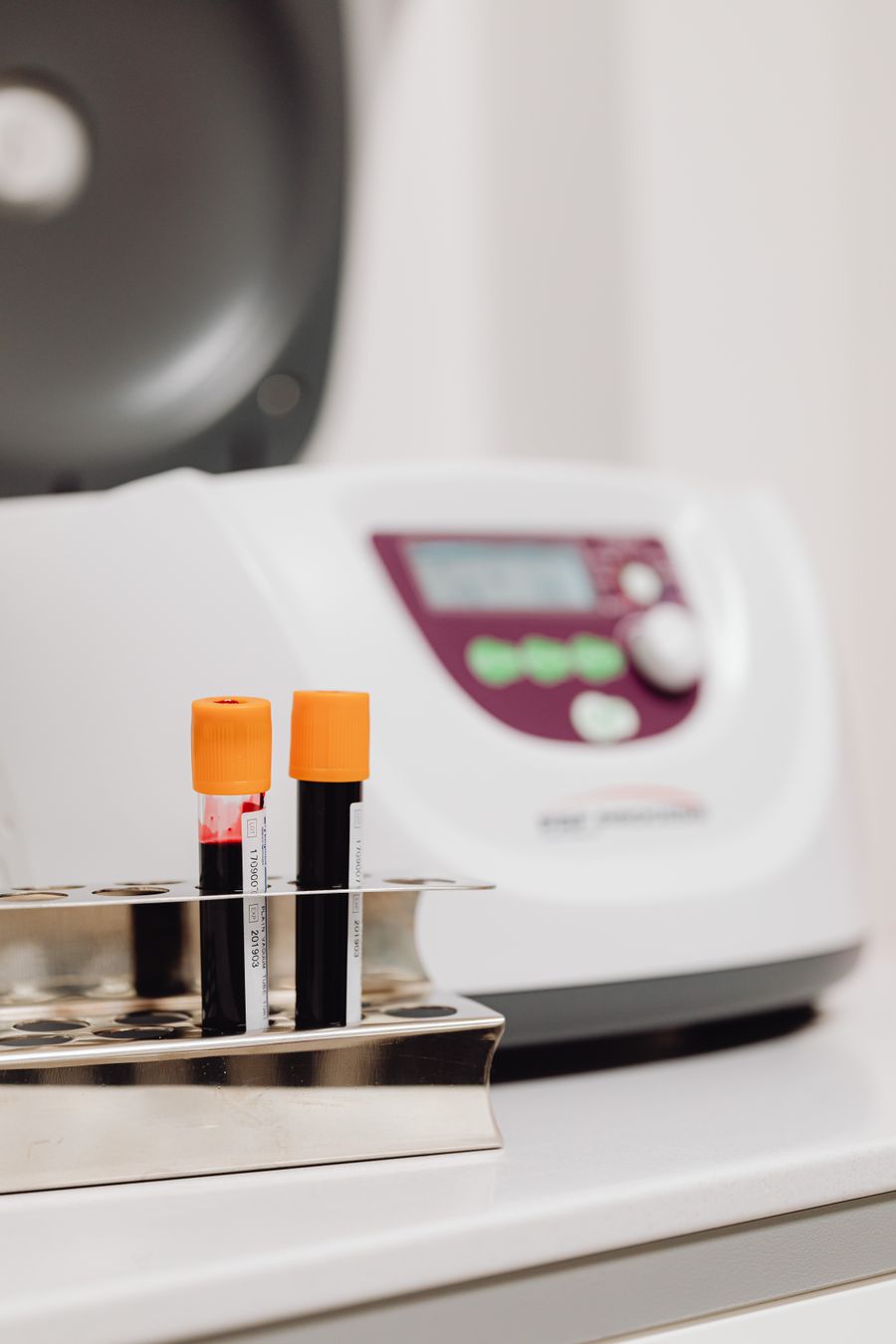
PRP, or platelet-rich plasma, is prepared by processing a small blood sample to concentrate its platelets. The prepared PRP is then injected into selected areas of the scalp.
Platelets contain growth factors that may support hair growth. PRP may help improve hair density and fullness in some patients with male- or female-pattern hair loss, although not everyone responds to treatment.

II. PRF Hair Restoration
Another Platelet-Based Approach.
PRF, or platelet-rich fibrin, is another preparation made from the patient’s own blood. Injectable PRF has been studied for pattern hair loss, with research reporting improvements in hair count in selected patients.
PRF and PRP are different preparations. Evidence and treatment protocols continue to develop, and neither should be presented as a guaranteed solution or the best option for everyone.
What to Expect
Consultation & Planning
The assessment considers the pattern and history of hair changes, scalp condition, medical history, medications, and previous treatments. Identifying the likely cause helps determine whether a scalp treatment or another form of care is appropriate.
Blood Collection & Treatment
Platelet-based treatments involve collecting and processing a blood sample, followed by injections into selected scalp areas. The provider will explain the preparation, comfort measures, and proposed treatment plan beforehand.
Aftercare
Temporary soreness, tenderness, or bruising can occur. Follow the instructions provided for scalp care and contact the clinic about severe or unexpected symptoms.

Results & maintenance
Progress Takes Time.
Hair-restoration treatment is assessed over months, not days. Improvements with PRP may become more apparent over several months, and repeat treatment may be needed to maintain the benefit.
Results are not permanent or guaranteed. The amount of improvement depends on the underlying condition, treatment plan, and response.
At JT, recommendations should remain focused on meaningful benefit and honest expectations rather than continuing treatment automatically.
Frequently Asked Questions
No. Treatment depends on the cause. Some concerns require medical treatment, changes in hair-care practices, or further investigation rather than scalp injections.
PRP has been used for male- and female-pattern hair loss. Suitability depends on the diagnosis and individual assessment—not gender alone.
PRP commonly involves a series followed by maintenance, but the schedule should be individualized. Your provider will discuss the proposed plan and how progress will be evaluated.
Blood collection and scalp injections can cause discomfort. Comfort measures may be used, and temporary scalp soreness or bruising can occur afterward.
In some cases, PRP is used alongside other medically appropriate treatments. Any combination should be based on the diagnosis, medical history, and provider guidance.
Safety & Eligibility
Using the patient’s own blood does not make treatment risk-free. Potential risks include bruising, bleeding, infection, and injury to surrounding tissues. Medical history and medications should be reviewed before treatment, along with the expected benefits, limitations, and alternatives.
Explore a Personalized Hair-Restoration Plan.
Start with a consultation to discuss hair-restoration goals, understand the available options, and determine an appropriate next step.
Medical eligibility required. Treatment plans, recovery, and results vary by individual.