PRF Hair Restoration
A Personalized Approach to Fuller-Looking Hair.
Injectable platelet-rich fibrin, or PRF, uses components from the patient’s own blood and may help improve hair density and thickness in selected patients with pattern hair loss. Clinical evidence is still developing, and results vary.
At JT Aesthetic & Co., the starting point is a consultation focused on individual goals, suitability, and realistic expectations.

What is PRF?
Platelet-Based Treatment Using Your Own Blood.
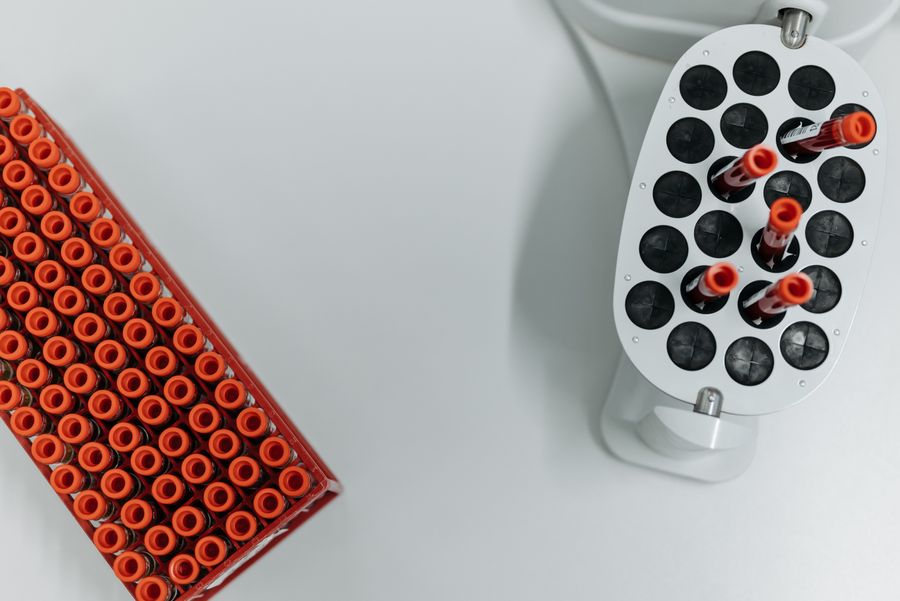
PRF is prepared by processing a blood sample to obtain a platelet-rich preparation that can form a fibrin network. Platelets release growth factors involved in tissue repair, which researchers are investigating for their potential to support hair growth.
For hair-restoration treatment, injectable PRF is administered into selected areas of the scalp. It is intended to encourage gradual improvement rather than produce an immediate change in appearance.
Potential benefits
Focused on Density and Fullness.
Early clinical studies have reported improvements in hair growth and thickness following injectable PRF treatment.
Potential benefits include:
- Improved hair density: More visible hair growth within treated areas.
- Greater hair thickness: Changes that may contribute to a fuller-looking appearance.
These findings are encouraging, but they do not establish a predictable result for every patient. PRF should not be presented as a cure for hair loss or a guaranteed alternative to other treatments.

Is PRF the right approach?
Understanding the Cause Comes First.
Hair thinning can have different causes. A treatment that is appropriate for pattern hair loss may not address shedding caused by another medical or scalp condition.
An assessment considers the history and pattern of hair changes, scalp health, and relevant medical factors. Additional testing or a dermatology evaluation may be recommended before proceeding.
JT’s approach is to recommend what makes sense for the individual—not automatically recommend the same procedure for everyone.
What to Expect
Consultation
Discuss hair-restoration goals, previous treatments, and relevant health history. The assessment helps determine whether platelet-based treatment warrants consideration or whether another approach should come first.
Blood Collection & Treatment
A blood sample is collected and processed to prepare injectable PRF. The preparation is then administered into selected scalp areas according to the treatment plan.
Recovery
Temporary scalp soreness, swelling, bruising, or injection discomfort can occur. Recovery varies, so treatment should not be described as painless or free from downtime.
Your provider will explain aftercare and any restrictions before treatment.

Results & follow-up
Gradual Progress. Honest Expectations.
PRF hair-restoration studies have assessed changes over several months and often used a series of treatments. An immediate visible improvement should not be expected.
The ideal treatment schedule and long-term durability are not firmly established. Follow-up should assess whether treatment is providing meaningful benefit rather than assuming that further appointments are always necessary.
The JT approach
Guidance Before Treatment.
JT prioritizes clear explanations, personalized recommendations, and an experience without pressure.
The consultation is an opportunity to understand the potential benefits, limitations, and alternatives. Sometimes the appropriate next step is a procedure. Sometimes it is further evaluation or another form of care.
Frequently Asked Questions
No. Both are prepared from blood, but their preparation methods and composition differ. PRF forms a fibrin network, while PRP is a different platelet-rich preparation. These differences do not establish that PRF is the better choice for every patient.
There is no universally established PRF hair-restoration schedule. Published studies use different protocols, so the proposed series and how progress will be assessed should be discussed before treatment.
No. Research has primarily investigated selected cases of pattern hair loss. Other causes may require different care, which makes diagnosis an important first step.
Permanent results should not be promised. Long-term evidence remains limited, including how long improvements last and the most appropriate maintenance schedule.
No. Blood-derived treatment still involves a medical procedure. Scalp soreness, bruising, swelling, and injection pain have been reported. Your provider should review medical suitability, procedure-related risks, and alternatives before treatment.
Explore a Personalized Hair-Restoration Plan.
Start with a consultation to discuss hair-restoration goals, understand the available options, and determine whether PRF is an appropriate next step.
Medical eligibility required. Treatment plans, recovery, and results vary by individual.