Laser Hair Removal
A Longer-Term Approach to Unwanted Hair.
Laser hair removal uses focused light energy to target hair follicles and reduce future hair growth in treated areas.
At JT Aesthetic & Co., treatment is personalized according to skin type, hair characteristics, treatment area, and individual goals.
How Laser Hair Removal Works
Target the Hair Follicle—not Just the Hair You Can See.

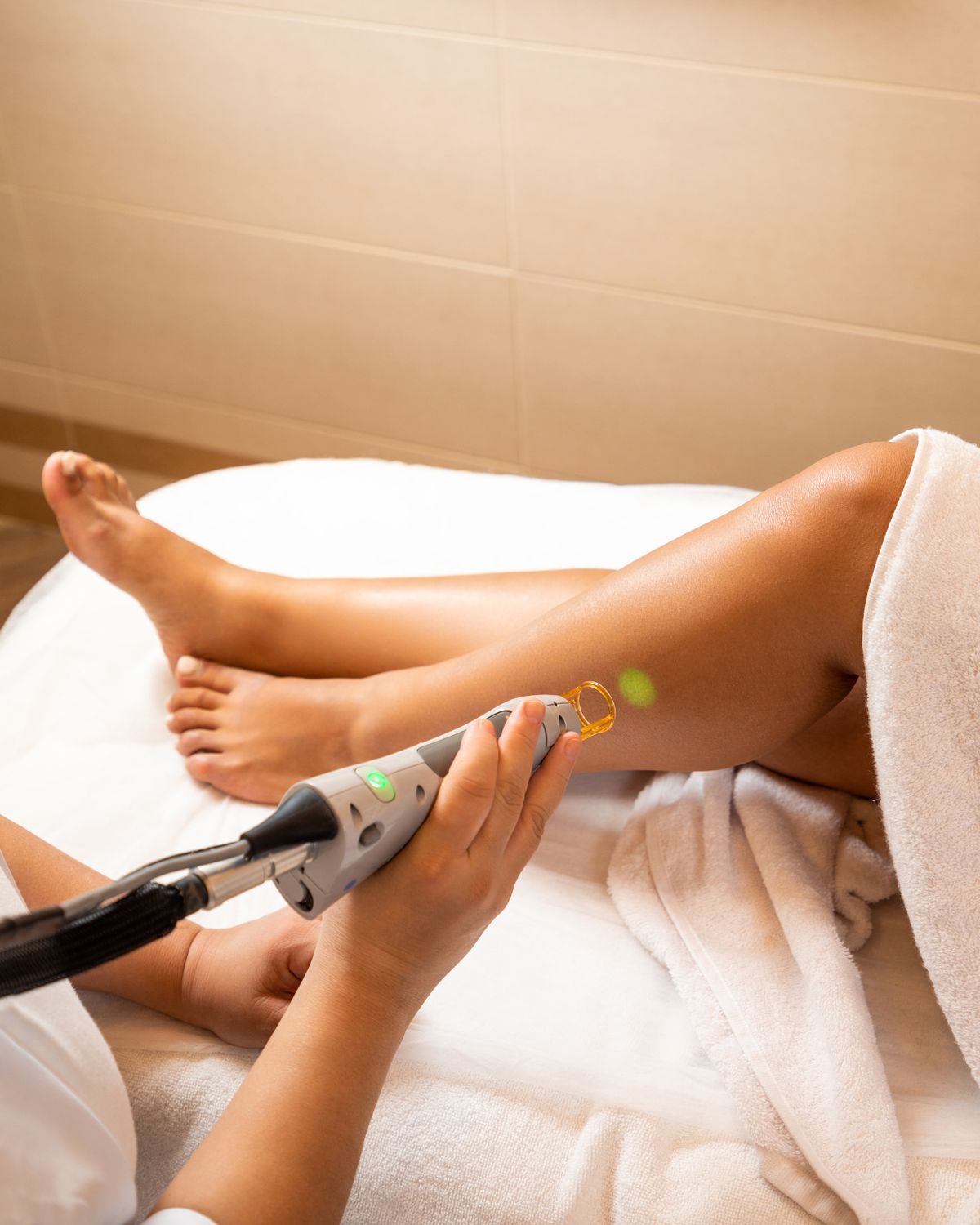
Laser hair removal works by directing light energy toward pigment within the hair follicle. This can damage the follicle and reduce future hair growth.
Because hair grows in cycles, multiple treatments are typically needed to target follicles during the appropriate growth phase.
Potential Benefits
For appropriately selected patients, laser hair removal may help:
- 01Reduce unwanted hair over time
- 02Decrease the need for frequent shaving or waxing
- 03Support smoother-looking skin in treated areas
- 04Reduce the amount of regrowth following a treatment series
- 05Produce finer, lighter regrowth when some hair returns
Results depend on factors such as hair color, hair thickness, skin type, treatment area, and the technology used.
Common Treatment Areas
Laser hair removal may be used on many areas of the face and body, including:
- Underarms
- Bikini area
- Legs
- Back
- Chest
- Neck
- Shoulders
- Upper lip
- Chin
- Other provider-approved areas
The appropriate treatment areas and settings are determined during consultation.
What to Expect
-
Consultation
Treatment begins with an assessment of skin type, hair color and thickness, medical history, previous hair-removal methods, medications, and the areas being considered.
Not every hair type responds equally to laser treatment, which is why an individualized assessment is important.
-
Treatment
Protective eyewear is worn during the procedure. The laser is applied across the selected area, and sensations are often described as warmth, pinpricks, or a snapping feeling.
Appointment length depends largely on the size of the area being treated.
-
After Treatment
Temporary redness and swelling around the treated follicles are common.
Most patients can return to their usual activities quickly, but the skin should be protected from direct sun exposure and aftercare instructions should be followed closely.

Results
Progressive Hair Reduction Over a Treatment Series.
Hair reduction develops over multiple treatments because not every follicle is in the same growth phase at the same time.
The American Academy of Dermatology notes that most patients require several treatments, with the amount of reduction and treatment schedule varying by patient. Some regrowth can occur over time and maintenance treatments may be needed.
The goal should be understood as long-term hair reduction, not a guarantee that every treated hair will permanently disappear.
Is Laser Hair Removal Right for Everyone?
Skin and Hair Characteristics Matter.
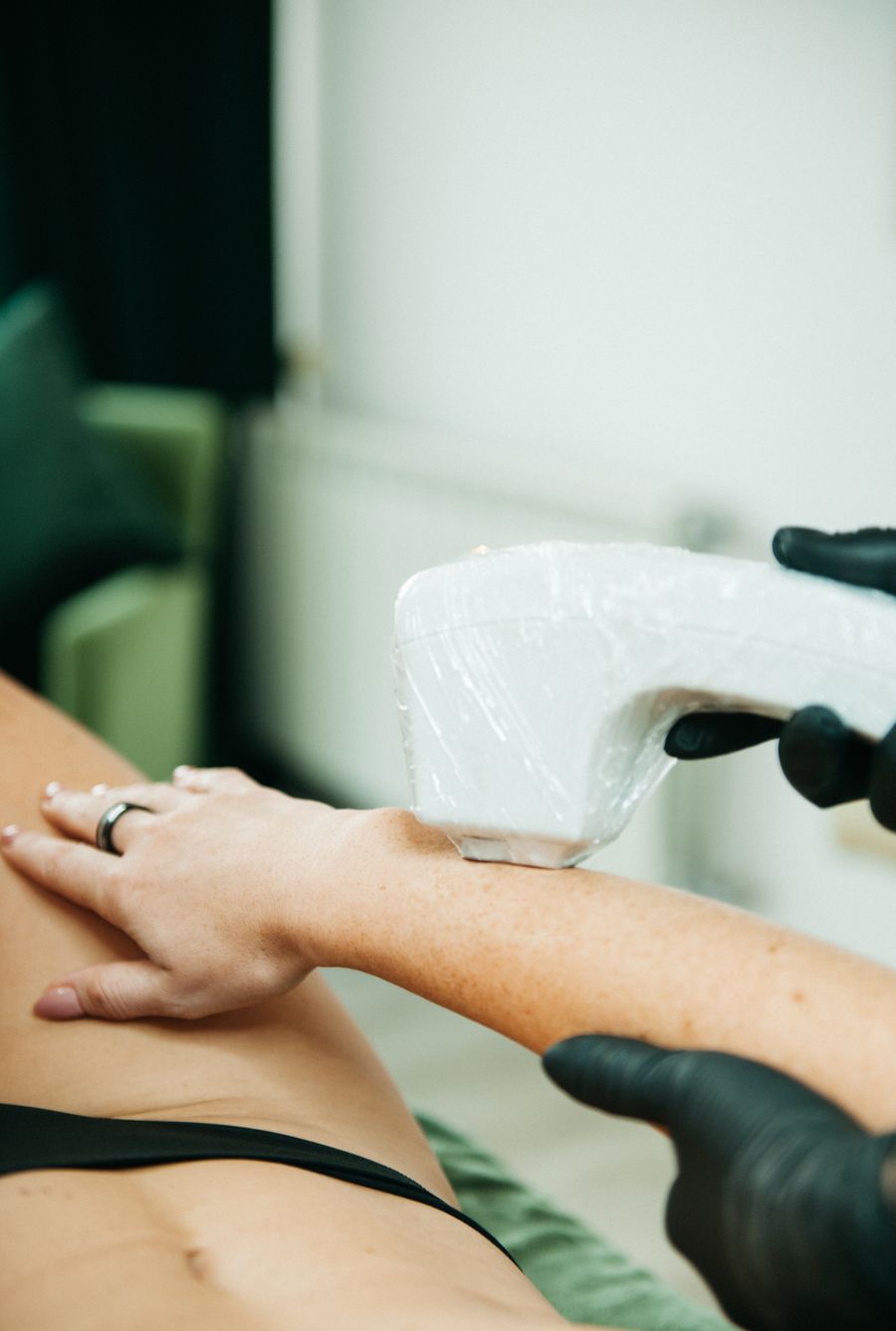
Advances in laser technology have expanded the range of skin types that can be treated, but the appropriate device and settings matter significantly.
Hair color can also affect treatment response because laser hair removal relies on pigment within the hair follicle. A consultation helps establish realistic expectations before treatment begins.

The JT Approach
Personalized Treatment. Honest Expectations.
JT’s broader treatment philosophy is based on understanding the individual first and recommending what is appropriate rather than following a one-size-fits-all plan.
That includes discussing what laser hair removal may realistically achieve, how many treatments may be needed, and whether another approach would make more sense for a particular hair or skin type.
Frequently Asked Questions
Laser treatment can create long-term or permanent hair reduction, depending on the device, treatment area, and individual response. Some hair may eventually regrow, often finer or lighter, and maintenance treatments may be needed.
Most patients require a series because hair grows in different cycles. The exact number and spacing depend on the treatment area, hair characteristics, device, and response.
Treatment can produce warmth, pinprick-like sensations, or a snapping feeling. Comfort varies by area and individual sensitivity.
Significant downtime is generally not expected, although temporary redness and swelling are common. Sun protection and aftercare remain important.
Some modern laser systems can treat a broad range of skin tones. The appropriate technology and settings must be selected carefully to reduce the risk of burns or pigment changes.
Hair-removal methods that remove the follicle can interfere with laser treatment. Your provider should give specific preparation instructions before each appointment.
Safety & Eligibility
Laser hair removal is not risk-free. Potential complications include discomfort, burns, blistering, infection, scarring, and temporary or permanent changes in skin color.
The risk can be influenced by skin type, laser settings, sun exposure, and operator experience.
Spend Less Time Managing Unwanted Hair.
Start with a consultation to discuss treatment areas, expected results, and whether laser hair removal is an appropriate option.
Treatment eligibility, number of sessions, recovery, and results vary by individual.
